Tough Questions About Faith: How We Approach Doubt
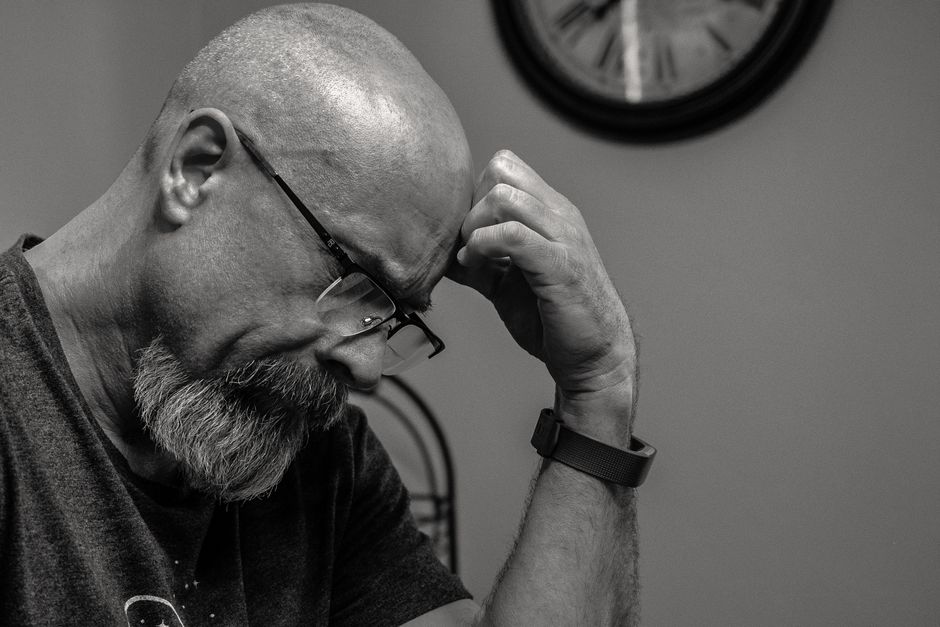
If you've ever wondered whether God is real, why suffering exists, or whether the Bible is reliable, you're in good company. Many thoughtful people wrestle with these questions. At Hackenthorpe Community Church, we believe doubt is not a sign of weak faith – it's an invitation to explore faith more deeply.
Doubt is normal Some of the Bible's most faithful people – including Job, Jeremiah, and the Psalms writers – expressed deep doubt and anger toward God. Jesus himself cried out, "My God, why have you abandoned me?" Doubt isn't rebellion; it's honesty. Faith isn't about pretending you have all the answers.
Different kinds of doubt Intellectual doubt (questions about evidence and logic) is different from emotional doubt (feeling abandoned or angry at God). Both are valid. Intellectual doubts often require study and discussion. Emotional doubts often require time, prayer, and community support.
Where to explore your questions Don't keep your doubts private. Raise them in small groups, speak with church leaders, or join our "Questioning Faith" discussion group, which meets monthly. We have resources including books, podcasts, and websites that address common questions thoughtfully.
Questions we can't answer Some questions don't have neat answers. "Why did my child die?" or "Why doesn't God stop evil?" These aren't intellectual puzzles to be solved. They're deep sorrows to be sat with. We can't explain away suffering, but we can offer presence and the conviction that God suffers with us.
The role of evidence Faith isn't blind. There are historical, philosophical, and personal reasons to believe in God and the resurrection of Jesus. Explore these reasons, read books by Christian thinkers, and test faith against reality. Many people find that serious investigation actually strengthens their faith.
Living with uncertainty You don't need absolute certainty to take steps of faith. We live with uncertainty in many areas of life – we trust doctors without fully understanding medicine, we trust friends without being able to read minds. Similarly, we can trust God even when we don't understand everything about how God works.
The permission to change your mind Faith isn't static. As you learn and experience more, your understanding of God will develop and change. This is healthy. We're not asking you to switch off your brain and accept everything you're told. We're inviting you to think deeply, ask hard questions, and gradually build your own reasoned faith.
Community through doubt One of the greatest gifts of church is being surrounded by people who've asked the same questions. You'll discover that the person next to you in the pew has also wrestled with doubt. These conversations build genuine, authentic community.
If you're struggling with questions about faith, reach out. We're here to explore them with you, not to dismiss them. Your doubt is welcome here.